
MARITIME WIFI FOR SHIPS, FERRIES AND VESSELS
Manage crew and passenger WiFi across your fleet

What is Maritime WiFi?
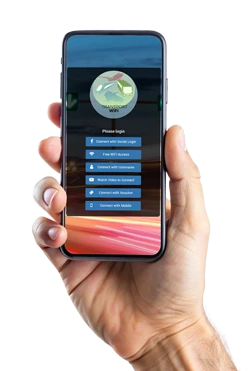
Maritime WiFi helps ships, ferries, cruise vessels, yachts, ports and offshore locations provide controlled Internet access for crew, passengers and guests.
Antamedia Maritime WiFi uses Enterprise WiFi System to manage captive portals, RADIUS authentication, bandwidth limits, vouchers, Internet plans, billing, failover-aware access and usage reports across multiple vessels.
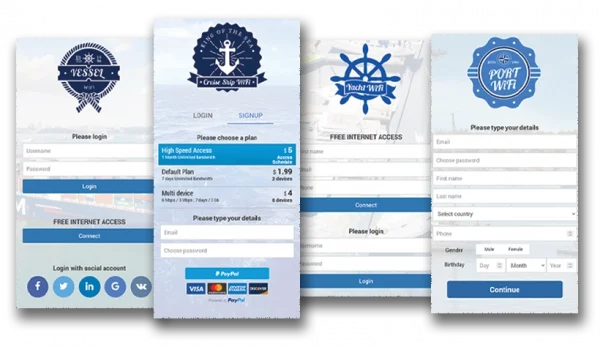
Maritime WiFi service for cruise ships, vessels, ferries…
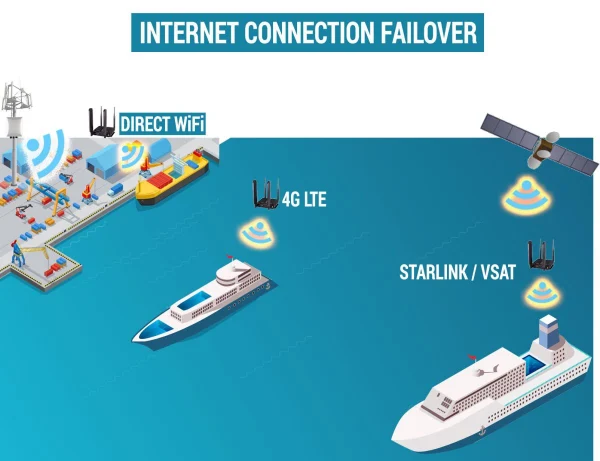
Maritime Internet connections are often expensive, limited and variable. Ships and vessels may use different links depending on location, including port WiFi, 4G/5G, VSAT, Starlink or other satellite connections.
Antamedia Maritime WiFi helps operators control how crew, passengers and guests use available bandwidth. The platform can apply speed limits, quotas, session duration, daily or monthly limits, device rules, vouchers and paid Internet plans.
Fleet operators can manage multiple ships, vessels, ferries or yachts from a centralized platform, while each location can have its own splash page, access rules, Internet plans, accounts and reports.
How Maritime WiFi Works
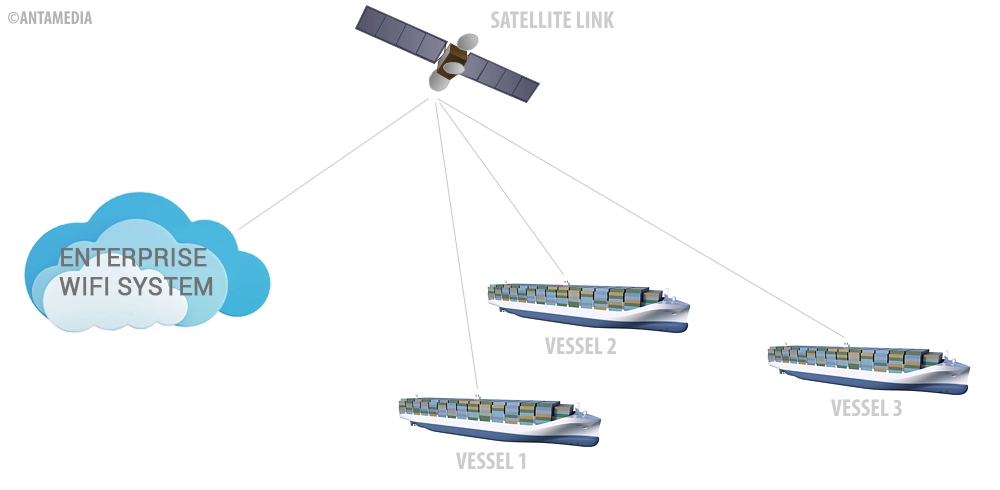
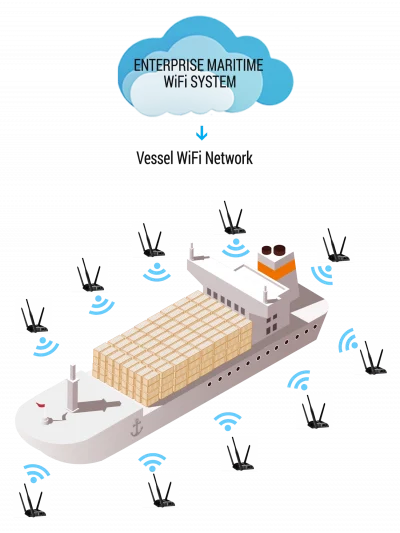
Each vessel connects its onboard WiFi network, access points, routers or controllers to the Antamedia platform through a supported integration method.
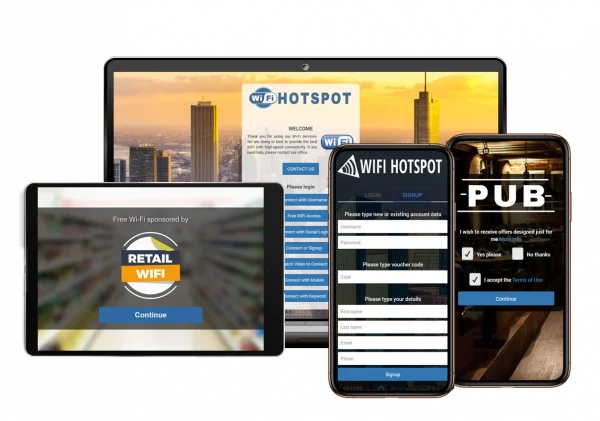
When a crew member, passenger or guest connects to WiFi, the platform can redirect the device to a branded captive portal page. The user logs in with a voucher, account, access code, paid plan or another configured method.
After authentication, Antamedia applies the selected Internet plan rules, including speed limits, bandwidth quota, session duration, expiration, device limits and location rules.
Depending on the vessel network design, Internet traffic may use port WiFi, 4G/5G, VSAT, Starlink or another available uplink. Administrators can monitor accounts, usage, vouchers, sessions and reports from the central dashboard.
Maritime WiFi Features
Enterprise WiFi System for Maritime Operators
Enterprise WiFi System is the recommended Antamedia platform for maritime operators that need private infrastructure, centralized fleet management, RADIUS authentication, captive portals, vouchers, billing and reports.
The system can run on your own server or private cloud VM and support multiple vessels, ships, ports or customer locations from one management environment.
This makes it suitable for cruise operators, ferry companies, yacht fleets, offshore operators, port service providers and managed maritime WiFi providers.
Internet Plans for Crew and Passengers
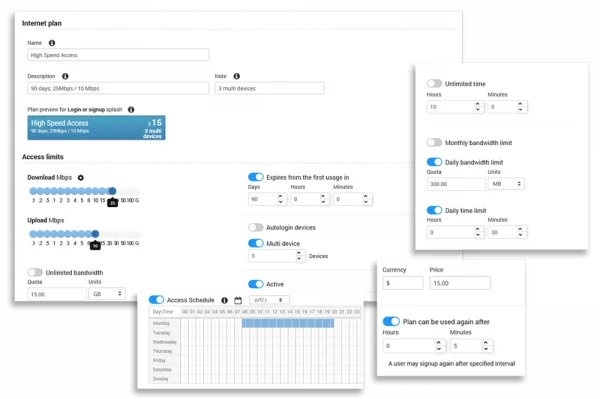
Internet plans define how crew, passengers and guests can use the onboard WiFi network.
Each plan can define download speed, upload speed, bandwidth quota, session duration, expiration time, daily or monthly limits, number of devices and pricing.
Operators can offer free basic access, crew access, passenger plans, premium upgrades, voucher-based access or paid Internet plans. This helps protect limited maritime bandwidth and align access rules with the cost of Starlink, VSAT, 4G/5G or port Internet links.
Control Expensive Maritime
Internet Links
Maritime connectivity can change depending on vessel location and available uplinks. A vessel may use port WiFi while docked, 4G/5G near shore and satellite connectivity such as VSAT or Starlink while at sea.
Antamedia helps operators apply usage limits, plan rules and quotas so the most expensive links are not consumed without control.
This is useful for separating crew access, passenger access, operational use, premium plans and temporary guest access.
Crew and Passenger
WiFi Access
Crew and passengers often need different WiFi rules. Crew accounts may require longer access periods or recurring quotas, while passenger accounts may use vouchers, paid plans, temporary access or premium upgrades.
Antamedia lets operators create different user groups, Internet plans and access rules for each use case.
This helps maritime operators provide a better onboard WiFi experience while keeping limited bandwidth under control.
Centralized Fleet WiFi Management
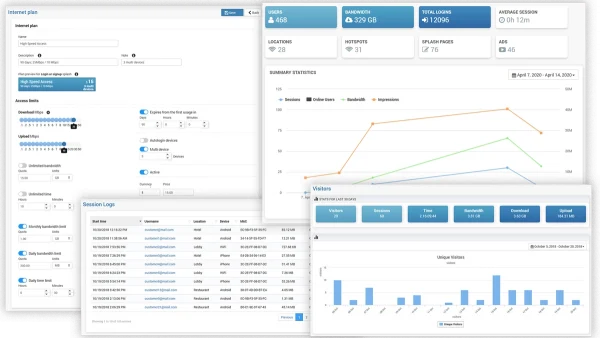
Manage maritime WiFi locations, vessels, users, splash pages, Internet plans, vouchers, reports and access rules from a central dashboard.
Administrators can create sub-admin accounts for selected vessels, locations or departments with limited permissions. This helps fleet operators delegate daily access management without giving full administrative control.
User access tickets can be created in bulk with predefined Internet plans, speeds and limits. When supported hardware is replaced, administrators can update device details and restore the location workflow more easily.
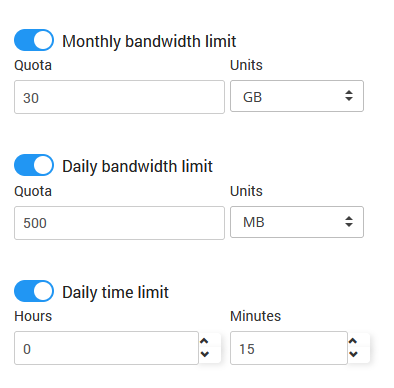
Daily and Monthly Bandwidth Limits
Maritime WiFi connections often depend on limited or expensive uplinks. Antamedia helps operators define daily or monthly bandwidth limits for users, accounts, plans or groups.
Limits can be configured through Internet plans or adjusted individually for selected accounts. When a quota is reached, the user can be limited, disconnected or offered an upgrade, depending on the configured policy.
This helps operators protect available bandwidth for critical use, crew communication, passenger access and operational needs.
WiFi Tickets App
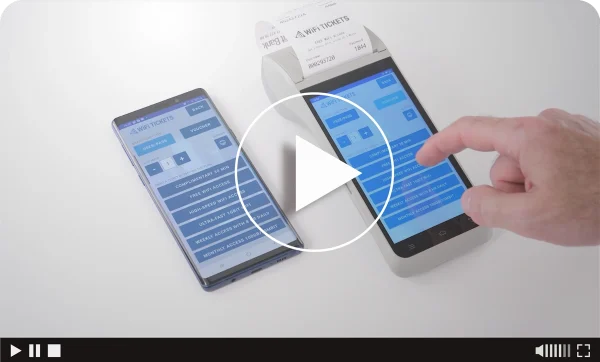
WiFi Tickets App helps staff create and print WiFi access tickets for crew members, passengers, guests and temporary users.
The app can create voucher tickets, username/password tickets, multi-device access or reprint the last ticket when needed. It is useful for receptions, ship offices, port counters, ferry terminals, kiosks and reseller locations.
Where document scanning is supported and legally permitted, staff can use it to speed up personalized ticket creation. Operators should configure data collection and retention according to their privacy and security requirements.
Connect Maritime WiFi with Engage
Consent-based contact data, survey answers and campaign activity collected through Maritime WiFi can be organized in Antamedia Engage.
Operators can use Engage to manage contacts, segment users, send service updates, follow up on feedback and improve communication with passengers, guests or customers according to the configured consent rules.
Redirect Passengers to Digital Guide
After WiFi login, passengers and guests can be redirected to Antamedia Digital Guide to access vessel information, schedules, menus, onboard services, offers, safety information, destination guides or local services.
This turns WiFi login into a useful digital entry point for passenger information and onboard services.
Maritime WiFi Use Cases
Cruise ships can offer passenger WiFi plans, premium upgrades, vouchers and usage reports.
Ferries can provide temporary access for passengers, crew and staff across scheduled routes.
Yachts and charter vessels can manage guest access, crew accounts and bandwidth limits.
Ports and marinas can provide controlled WiFi access for visitors, vessels, staff and service providers.
Offshore and remote locations can use access limits to manage expensive or variable Internet links.
Maritime WiFi FAQ
Antamedia Maritime WiFi helps ships, ferries, yachts, ports and vessels manage crew, passenger and guest Internet access through captive portals, RADIUS authentication, vouchers, Internet plans, bandwidth limits and usage reports.
Yes. Maritime WiFi can apply speed limits, bandwidth quotas, session duration, daily or monthly limits and device rules to help operators control usage over Starlink, VSAT, 4G/5G or port Internet connections.
Yes. Fleet operators can manage multiple ships, ferries, yachts, ports or maritime locations from a centralized Antamedia platform.
Yes. Operators can create different Internet plans, user groups, vouchers and access rules for crew, passengers, guests, staff and temporary users.
Yes. Operators can offer free access, paid plans, premium upgrades, vouchers and supported online payment options, depending on the selected deployment and billing configuration.
Yes. Enterprise WiFi System is suitable for maritime operators that need private infrastructure, centralized management, RADIUS authentication, captive portals, billing and reports across multiple vessels or locations.
Yes. After login, passengers can be redirected to a vessel information page, Digital Guide, schedule, menu, offer page, safety information or another selected online service.
Supported hardware

